[00:00:00] Speaker A: It's time for California law updates simplified the show for California property managers, owners and HOA board members, bringing clarity to California ordinances and compliance requirements.
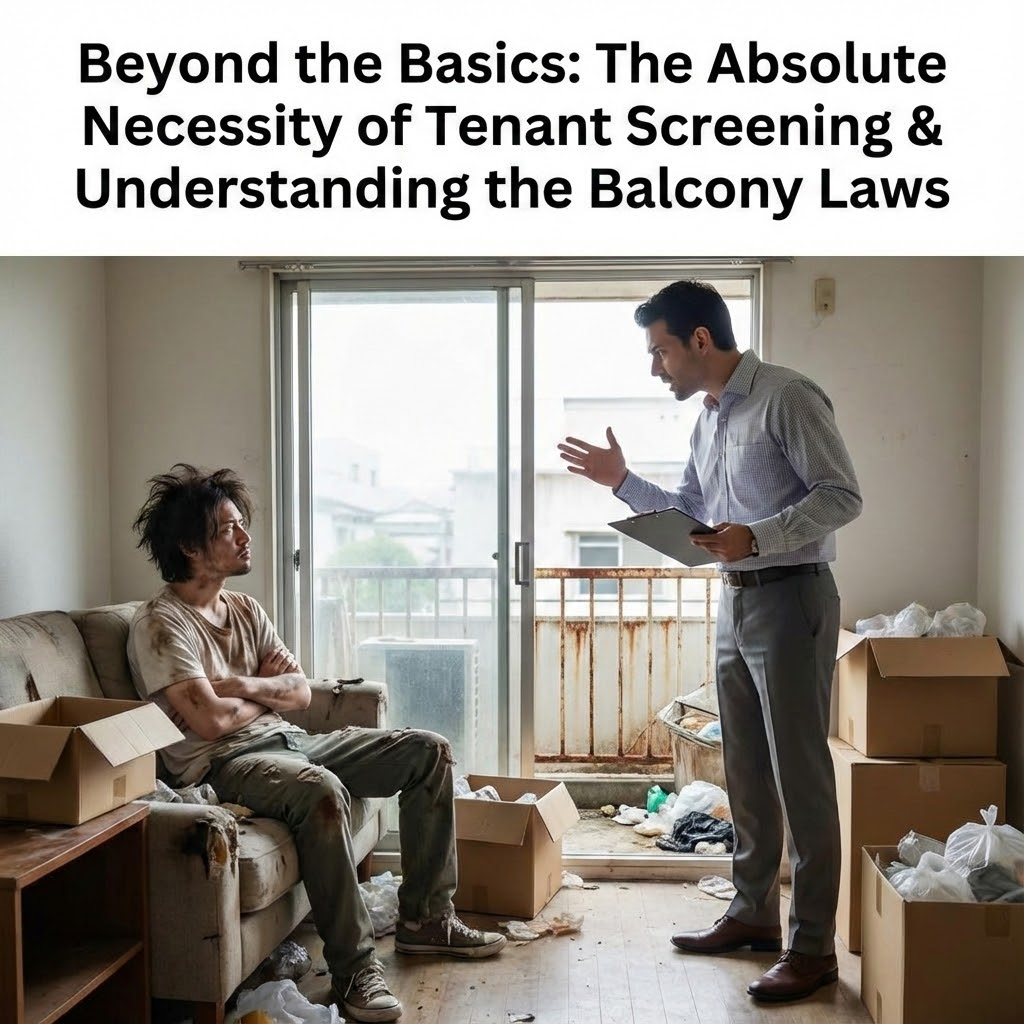
[00:00:14] Speaker B: Okay, let's unpack this. Our mission today is a deep dive into the absolute necessity of tenant screening. We're really going beyond the basics here, focusing on how you as a property owner can avoid what is, I mean, arguably the single biggest financial threat to your business. A bad tenant, a costly, drawn out eviction. You've shared a ton of source material, legal updates, guides, and the core message is just so stark. Screening isn't an option. It's. It's self defense.
[00:00:44] Speaker A: It absolutely is. And we need to establish the stakes right away because I think most people really underestimate the true cost here.
[00:00:51] Speaker B: Okay.
[00:00:51] Speaker A: By the time you get to the court system and finally get an unqualified tenant out, a process that can take three, three, six, maybe nine months, the damage is just staggering.
[00:01:00] Speaker B: We're talking more than just lost rent.
[00:01:01] Speaker A: Oh, way more. You've got the lost rent, sure, but then significant legal fees, attorney fees, court costs, then you have to deal with the aftermath, the repairs from excessive wear and tear, or, you know, actual malicious damage.
[00:01:15] Speaker B: So give us the rough number. What is the real pain of making that one mistake?
[00:01:19] Speaker A: Conservatively, you are looking at a minimum of 20, maybe $30,000.
[00:01:24] Speaker B: Wow.
[00:01:24] Speaker A: And that's if you're lucky and they don't trash the place. So, you know, think about that. That 30 grand is maybe 10 months of your mortgage payment plus all the time you're wasting in court, Right? So the simple truth is this.
It is infinitely better to have a vacant unit earning zero than to have an unqualified tenant actively costing you money.
Diligence is really the only way.
[00:01:46] Speaker B: And that diligence. I found this fascinating. It now starts even before you list the unit.
There's a new baseline requirement for taking pictures or video of the vacant unit's condition.
[00:01:58] Speaker A: Yes, and that's a direct response to a common tactics in eviction defense that photographic proof is absolutely essential.
[00:02:04] Speaker B: For what exactly?
[00:02:05] Speaker A: Two things. First, it kills their ability to claim the place was uninhabitable when they moved in. You know, the smoke detector was missing or something.
[00:02:13] Speaker B: You have proof.
[00:02:13] Speaker A: You have proof. And second, it's crucial for justifying security deposit deductions later.
They can't claim damage was pre existing if you have a video of the perfect original condition.
[00:02:24] Speaker B: So if we strip away all the complexity, all the laws.
[00:02:28] Speaker A: Yeah.
[00:02:28] Speaker B: What are we really trying to do with this screening process?
[00:02:31] Speaker A: Look, you're vetting for success against three core criteria. It's that simple. First, will I get paid? The big one, the biggest. Second, will they take care of the property? You know, no unusual damage? And third, and this is critical, will they respect the tranquility of the premises?
Will they be a good neighbor?
[00:02:51] Speaker B: So no disturbances.
[00:02:52] Speaker A: Exactly. Every single tool. We're about to discuss every rule. It all flows from answering those three questions with a confident yes.
[00:03:00] Speaker B: All right, let's jump right into the modern screening toolkit then. Because the tech and the forms have definitely moved beyond a simple credit check.
[00:03:07] Speaker A: They have.
[00:03:08] Speaker B: First, on a basic compliance level, the sources all stress that you must always use the newest versions of your forms. Lease agreement, qualification criteria, three day notices. Why so much constant change?
[00:03:19] Speaker A: Because the courts are constantly ruling on the precise language. I mean, if your lease is from 2022, you might be using language a court throughout last year.
[00:03:26] Speaker B: So a small detail can sink you.
[00:03:28] Speaker A: A tiny detail.
For example, the three day notices now have to include a specific calendar expiration date. That one little thing. If you miss it, it can kill your entire eviction case.
These updates aren't just red tape. They are. Well, they're essential.
[00:03:45] Speaker B: Speaking of essentials, the biggest game changer seems to be instant bank verification, or IBV. It's about 7 bucks added to the screening package. How does this solve the fake pay stub problem?
[00:03:57] Speaker A: It creates an authentication loop that completely bypasses any paper they give you. The applicant gets an email from a third party tool. They verify their identity, and then they grant temporary read only access to their bank account data.
[00:04:10] Speaker B: So it's not looking at their balance, it's looking at the flow of money.
[00:04:13] Speaker A: Precisely. It generates a summary of their total income deposited over a set period. That summary has to match or be greater than the pay stubs they gave you. It's a real time check.
[00:04:22] Speaker B: Confirms the money actually hit their account.
[00:04:24] Speaker A: It does. And what's really interesting is a new version is coming that will show the full income entry details so you can see exactly where every large deposit came from.
[00:04:33] Speaker B: Okay. Beyond income, there's the challenge of criminal checks.
The sources note that in places like California, getting quick reports is really difficult.
[00:04:43] Speaker A: It is. Which is why you just can't rely on an instant automated report. That quick search misses huge amounts of data. You really should consider upgrading to what's called an investigative search. It covers both criminal and civil history.
[00:04:56] Speaker B: And this is done by hand by a private investigator. Right. Not a computer.
[00:05:01] Speaker A: That's right. It takes, you know, 12 to 24 hours on business days. But the difference in what you get back is monumental.
[00:05:08] Speaker B: What does it find that the other one misses?
[00:05:09] Speaker A: It'll show you prior evictions, which are often civil matters, not criminal. And crucially, it shows evidence of the applicant being litigious.
[00:05:18] Speaker B: Wait, litigious? What does that actually look like for a landlord?
[00:05:21] Speaker A: It means someone with a history of filing lawsuits, often against former landlords or neighbors. If your applicant has five small claims cases filed in the last two years, that is a massive red flag.
[00:05:32] Speaker B: You're buying a legal headache.
[00:05:34] Speaker A: A huge one.
And the search also reveals civil records on domestic violence or fraud data that's vital to the owner's legal duty of care.
[00:05:43] Speaker B: That duty of care requirement alone seems to make this essential. What's the liability you're trying to avoid there?
[00:05:49] Speaker A: Well, if you rent to someone who has a documented history of violence that you should have discovered, and that person then harms another tenant, you, the owner can be sued for negligence. The law says you have to take reasonable steps to keep everything, everyone safe.
[00:06:02] Speaker C: California property owners and managers. New property laws are here. AB 628 by 2026, rentals need working stoves and fridges to be habitable. AB 246, no evictions for late rent due to Social Security delays. AB 414, return security deposits electronically if tenants agree. AB 863 by 2027, eviction summons must be multilingual. AB 325 pricing algorithms face antitrust scrutiny. Balcony laws. SB 326 and SB 721 inspections are due by January 1, 2026, or face fines, liability and lower property value. Act now boost revenue. Stay compliant. Join our free informational California Law Updates webinar
[email protected] Sign up now. Space is limited.
[00:06:57] Speaker B: Now switching to credit checks. We've got two main options, the familiar FICO score and this tenant risk score.
[00:07:03] Speaker A: The tenant risk score is interesting. It's weighted toward consumer behavior specifically tied to housing, utility payments, rent reporting, things like that. The data suggests it's about 15% more predictive of rent payment than FICO.
[00:07:16] Speaker B: And I'd imagine it helps people with thin files, right? Right. New citizens, young people without a long credit history.
[00:07:22] Speaker A: Absolutely. FICO really penalizes a thin file. This score gives a better assessment because it looks at the right variables and practically, FICO prices are going up, while this one's prices staying put. So it's also a smart economic choice.
[00:07:35] Speaker B: Okay, here's where it gets really interesting for me, moving from tools to just pure filtering. How do you weed people out before they Even fill out the paperwork, starting with that very first phone call.
[00:07:47] Speaker A: This is pure gold. You have to ask a set of questions right away and just stick to the answers first. Why are you moving? If the answer is anything like I'm being evicted, stop the conversation. Immediate rejection.
[00:07:59] Speaker B: You also have to be clear on occupancy limits. Fair housing says two people per bedroom plus one. So a one bedroom is max, three people.
[00:08:06] Speaker A: And don't compromise on your big rules. State them clearly. No pets, no smoking anywhere on the premises. And if they say they have three Great Danes, it's an immediate no. You're looking for compliance. Also, just ask them directly, have you ever been evicted? If it's a yes, you reject them. Period.
[00:08:22] Speaker B: But ability to pay is more than just income on paper. It's about financial readiness.
[00:08:27] Speaker A: Correct. You must demand the first month's rent and the full security deposit up front. If they ask to pay the deposit in installments, that's an immediate rejection. If they can't manage that, they can't handle an unexpected car repair bill later.
[00:08:42] Speaker B: In this next one. This is a brilliant step for filtering out non payers.
[00:08:46] Speaker A: Oh, this is the most crucial step for proving habit, not just income. You require the applicant to provide proof of payment to their current landlord for the last six months.
[00:08:56] Speaker B: Like bank statements or copies of money.
[00:08:59] Speaker A: Orders, bank withdrawals, copies of money orders, canceled checks. If they can't prove they paid their current landlord on time, they are not going to pay you on time.
[00:09:08] Speaker B: So once they pass that phone screen, the next step is the qualification criteria form.
Why is it so important that this is handed over before charging any fees?
[00:09:17] Speaker A: It's required by California law. But strategically, that signed form is your number one defense against discrimination claims. If you reject them. Your defense is simple. Here's the criteria. You signed, you didn't meet the 700 credit score or whatever the rule is, it makes the rejection objective and non discriminatory.
[00:09:33] Speaker B: And the income requirement is pretty standard, right? At least three times the monthly rent.
[00:09:37] Speaker A: That cushion is essential. I mean if rent is 50% of their income, there are always one small emergency away from defaulting on you.
[00:09:45] Speaker B: Let's talk about fees and choice. The max application fee is around 65, 66 bucks. If you collect that fee, you have to rent to the first applicant who.
[00:09:54] Speaker A: Qualifies, which is a massive restriction if you want the ability to choose the most qualified applicant. So say one has a 750 score and another has a 701, you must collect no application fee. Then you can take multiple applications and pick the absolute best one.
[00:10:11] Speaker B: When handling the actual application, attention to detail is key. Every single adult moving in needs a separate form and you have to check for completeness.
[00:10:19] Speaker A: Yes, an incomplete application, even one blank space is a legitimate reason for rejection. And here is a non negotiable for your rental agreement. A clause that says any lie on the application is grounds for eviction. We see cases where landlords win evictions just because the tenant lied about a prior eviction on their application.
[00:10:38] Speaker B: Okay. For independent checks, don't trust the employer phone number they provide.
[00:10:43] Speaker A: That's right. Do your own Google search for the company's real HR number. Applicants will give you a friend's number all the time.
[00:10:50] Speaker B: And what about their online footprint?
Social media.
[00:10:53] Speaker A: Don't forget it. A quick non discriminatory check of their public social media can be very revealing. You know, are they posting about huge parties every weekend? You also want to search for civil lawsuits to see if they have a history of being litigious.
[00:11:08] Speaker B: Now on what you can and cannot ask. The laws are very strict.
[00:11:12] Speaker A: Very. You cannot ask about arrests, only convictions. No questions about age, race, religion, disability, sexual orientation or if they plan to have kids. That's just basic fair housing.
[00:11:24] Speaker B: And even with convictions, there are rules, right?
[00:11:27] Speaker A: Under HUD guidelines, the crime must be recent and relevant to the housing. A 20 year old DUI is probably not grounds for rejection.
[00:11:34] Speaker B: And finally, if you reject them based on their credit report, you have to notify them and give them a copy of the report within seven days.
[00:11:40] Speaker A: That's the Fair Credit Reporting Act. But remember, you can also reject for non credit reasons like verifiable bad references for noise or an unstable job history.
You document that internally, but you don't have to inform them unless credit was the reason.
[00:11:55] Speaker C: Yo, your balcony's cracked. It's looking kind of shady. Dr. Balcony will save it, baby. SB326, we got your back. SB721. We're on the right track, Dr. Balcony. We inspect and protect beat pits by 20%. That's a flex guaranteed service. You know it's legit. Call us now and we'll handle it quick.
845-312-8508. Don't hesitate. Email
[email protected] Balcony's future. It's looking strong.
[00:12:37] Speaker A: Welcome to the deep dive. Today we're looking at a topic that on the surface seems like it's all about building codes and, you know, state bureaucracy. But I promise you, this is actually a deep dive into what might be the single largest, most immediate financial risk. For a lot of California property owners right now, and it's tied directly to life and death. Safety really is. We are getting into California's mandatory and really time sensitive balcony inspection laws. We're talking SB721 and SB326. And our mission today is simple. It's to give you, the property owner, a crucial shortcut through all the legal jargon. We need to unpack the deadlines that are ticking down, like right now, and make sure you know exactly what you need to do immediately.
[00:13:20] Speaker B: And you can't overstate the urgency here. This isn't about, you know, some minor code violation. We're talking about fundamental structural safety and your liability protection. And the whole reason these laws even exist comes from a really terrifying fact.
Data shows that more than 90% of balcony failures in the last 20 years involved wood deterioration.
And that decay was completely invisible until the moment it all came down.90%.
[00:13:45] Speaker A: Just let that sink in for a second. That means you can't wait for the paint to start peeling or for the wood to look like it's set sagging.
[00:13:51] Speaker B: Exactly.
[00:13:51] Speaker A: If you can see the signs of danger, it's probably already way too late. And the. The real catalyst for all of this was a tragedy that's really seared into the state's memory.
The 2015 Berkeley balcony collapse.
[00:14:04] Speaker B: It was just a horrific incident. You had 13 young adults who fell 40ft, six were killed tragically, and seven others had these severe life altering injuries. And what made it so shocking, what really changed the entire regulatory landscape, was that the building, it was only nine years old. It was practically new.
[00:14:23] Speaker A: Nine years old. I mean, by any standard, that's just, that's nowhere near the typical lifespan you'd expect from a structure like that.
[00:14:30] Speaker B: Not at all.
[00:14:30] Speaker A: That event just perfectly captured how volatile hidden wood rot can be when it meets, you know, bad weather exposure and poor waterproofing.
[00:14:39] Speaker B: That's it, exactly. It showed just how quickly water intrusion and structural rot can create this invisible time bomb.
And if you look beyond just the Berkeley case, the stats on what they call elevated exterior elements, or ees.
[00:14:51] Speaker A: Right, that's balconies, decks, stairs, all that stuff.
[00:14:55] Speaker B: Yeah, exactly. The numbers are just, they're startling. Nationally, we're seeing about 6,000 serious injuries linked to these elements every single year. Wow. And what's worse, the failure rate for balconies and decks specifically is actually going up by about 21% annually.
[00:15:13] Speaker A: That's a terrifying rate of growth. And I imagine that translates directly into significant human trauma.
[00:15:18] Speaker B: It does. It leads to roughly 550 trauma centered missions a year. And like we said, this isn't a problem that just disappeared after the law was passed.
[00:15:25] Speaker A: No, of course not.
[00:15:26] Speaker B: Just last year, we saw that collapse in Silver Lake. Four people and a dog were on a balcony and it just, it failed. Luckily, the one below caught it. But it just goes to show, even a decade after Berkeley, these laws are still absolutely essential.
[00:15:40] Speaker A: So we have this clear ongoing safety crisis. And the state legislature responded with two key bills, SB721 and SB326. And this is where I think the confusion starts for a lot of owners.
[00:15:51] Speaker B: Right. This is the critical part. Getting them mixed up can lead to, you know, really devastating non compliance. They're two totally separate paths for different kinds of properties. They'll both apply to buildings with three or more units.
[00:16:04] Speaker A: Okay, so let's break it down.
[00:16:05] Speaker B: Let's start with SB721. This is mainly for multifamily rental properties, so apartments.
Now, the good news sort of is the deadline got pushed from 2024. The bad news is that extension is up. The current deadline is January 1, 2026.
[00:16:20] Speaker A: Okay, let's just, let's sit with that for a second. We're recording this in late 2025. That means if you own an apartment complex under SB721, you have until the end of this month, maybe the first few days of January, to get the ball rolling or you risk getting fined immediately.
[00:16:36] Speaker B: That is precisely the takeaway. Yeah. Now for 721, the inspection covers at least 15% of each type of EE. So if you have, say, 100 balconies and 50 exterior staircases, you'd have to.
[00:16:48] Speaker A: Inspect 15 of the balconies and eight of the staircases.
[00:16:52] Speaker B: Fifteen of the staircases, actually, 15% of each type. And that inspection has to be repeated every six years.
[00:16:57] Speaker A: Got it. And who can do this inspection for apartments? Is it a pretty narrow field?
[00:17:02] Speaker B: SB721 is a little more flexible. It can be a structural or architectural engineer, a certified general contractor, or even a certified home inspector. The key thing is you have to keep that report for 12 years, which covers two inspection cycles.
[00:17:15] Speaker A: Okay, so that's apartments. What about the other one?
[00:17:17] Speaker B: So now we have SB326. This one is for condominiums and HOAs. Again, three or more units. But the critical difference here, and this is so important, is the deadline.
It's already passed.
[00:17:29] Speaker A: It's passed.
[00:17:29] Speaker B: The deadline was January 1, 2025. So if you're an HOA board member listening to this, you're Officially overdue. You have to get compliant, like now.
[00:17:39] Speaker A: So it's a. It's a compliance panic for the 721 apartment owners who are rushing before this January 1st deadline. And it's kind of a retroactive panic for the 326 condo owners who are already operating outside the law.
[00:17:51] Speaker B: That's a good way to put it. And the requirements for HOAS are much tighter. SB326 demands an inspection of 95% of the EES.
[00:17:59] Speaker A: 95%?
[00:18:00] Speaker B: Yeah. And honestly, most vendors will just do 100%. It's just more practical and frankly, safer. And their cycle is every nine years.
[00:18:08] Speaker A: Wait, hold on. I have to jump in on that. That seems kind of backward, doesn't it? Okay, if the state is treating condos so seriously that their deadline already passed and they need a 95% inspection, why is their cycle longer every nine years while apartments are every six?
[00:18:20] Speaker B: That's a really important question. Yeah, and the logic, or what seems to be the logic, comes down to who is allowed to do the inspection and stamp the report.
[00:18:28] Speaker A: Okay.
[00:18:28] Speaker B: For SB326, the inspector qualifications are much, much stricter. The report has to be signed and stamped only by a licensed structural engineer or an architect. No gcs, no home inspectors.
[00:18:40] Speaker A: Ah, so the professional barrier is much higher.
[00:18:43] Speaker B: Exactly. That stamp from a licensed engineer or architect carries a much higher degree of, let's say, initial structural certainty. Yeah, and those reports have to be kept for 18 years, two full nine year cycles. So the idea is the rigor of that initial inspection justifies a slightly longer cycle.
[00:19:01] Speaker A: That makes sense. So a higher cost and a more specialized professional upfront for hoas. But the report is considered robust enough to last longer. The bottom line is, though, total urgency for everyone.
[00:19:12] Speaker B: Absolute urgency.
[00:19:13] Speaker C: Today's episode is brought to you by Dr. Balcony, California's leading balcony inspection company. For SB326 and SB721 compliance. With over 4,000 inspections completed, Dr. Balcony uses a patented, minimally invasive process that protects your property while ensuring safety and compliance. Servicing all of California while providing fast inspection report turnaround and backing it up with a 20% price beat guarantee, beating any competitor's bid by 20%.
Learn
[email protected] and that brings us to.
[00:19:49] Speaker B: You know what exactly is an elevated exterior element? The law is super specific. There are four criteria, and all four have to be met.
[00:19:56] Speaker A: Okay, what are they?
[00:19:57] Speaker B: First, the structure has to be 6ft or more above the ground. Second, it needs a walking surface for human use. So like a decorative ledge doesn't count. Got it. Third, it has to be partially or wholly reliant on wood for support.
So a pure concrete or pure steel balcony is exempt. And finally, number four, it must be exposed to weather and have some kind of waterproofing system.
[00:20:20] Speaker A: Okay, so let's run a quick scenario just to make that real for people. If I have a wooden patio deck, but it's only say a foot off the ground, even if it gets rained on, I'm clear of these laws, right?
[00:20:31] Speaker B: Correct. It doesn't meet that first six foot rule your ground floor stuff is exempt from. But your second story balconies, your outdoor walkways, and especially those external staircases with wood supports, those are the absolute prime targets of this legislation.
[00:20:45] Speaker A: And even though we know the real danger is hidden, what are some of the, you know, the superficial warning signs a property manager could look for?
[00:20:52] Speaker B: Well, any visual red flag, right? Surface cracks, any visible rot or rust stains near the metal connectors, a railing that feels unstable.
You should always be a little suspicious of water staining on stucco, especially right where the deck meets the building wall.
[00:21:08] Speaker A: I feel like I remember reading about something really specific, like a common household thing that actually makes this problem worse.
[00:21:14] Speaker B: Ah, you mean the classic potted plants on the balcony?
[00:21:17] Speaker A: That's the one.
[00:21:18] Speaker B: Yeah. That's a huge caution. The weight of the pots, plus the constant watering that spills and seeps down, it just creates this perfect little micro environment for localized rot and water intrusion is really bad combination.
[00:21:32] Speaker A: But at the end of the day, that's just a surface check. Since 90% of the failure is happening inside the walls, owners can't just rely on looking. It's like needing an X ray or an mri.
[00:21:42] Speaker B: Exactly. The rot is almost always hidden under the paint or inside the stucco, which is why the inspection process itself now relies on some pretty cool minimally invasive tech. You can't comply just by standing on the ground and looking up.
[00:21:54] Speaker A: So let's talk about that process. After the first visual look, it moves to something called borescopy.
[00:22:00] Speaker B: Yeah, Borescopy. It's been a total game changer, and it saves owners a ton of money. It lets the inspector look inside the structure without having to do immediate destructive testing.
[00:22:09] Speaker A: How does it work?
[00:22:11] Speaker B: They drill a very small, maybe nickel sized hole in an inconspicuous spot. Then they insert a tiny camera. It's basically an industrial endoscope. And they can Get a full 360 degree high def view inside the structure.
[00:22:25] Speaker A: So they can actually see the wooden joists, the internal connections, all of it, without having to rip Off a huge chunk of stucco.
[00:22:32] Speaker B: Precisely. They can spot rot, discoloration from moisture all deep inside the wall cavity. And only if they confirm there's rot do they move to the next phase, which is designing a repair. And the goal is always cost effectiveness, not just automatically ripping and replacing the whole thing.
[00:22:47] Speaker A: That's huge for any property owner. Now, once the inspection's done, what does a compliant report need to have? Because just getting a quick estimate from a contractor won't cut it.
[00:22:57] Speaker B: No, not at all. The report has to be super rigorous. It needs to identify every single EE component they looked at. It needs a detailed evaluation with photos that are specific to the location of each finding. And crucially, it must have a clear statement on the current condition and the expected future performance, how long it's likely to last, plus, of course, maintenance recommendations.
[00:23:20] Speaker A: And what's the final step that makes it a legally binding document?
[00:23:24] Speaker B: It's that signature and stamp. It has to be signed and stamped by a licensed professional engineer or Architect. Especially for SB326, that stamp is the legal certification.
Without it, the report is basically useless for compliance.
[00:23:38] Speaker A: Okay, so let's say the report comes back and it's not good news. It identifies a problem, the clock starts ticking incredibly fast then. Right? There are two types of failure. Non emergency and emergency.
[00:23:49] Speaker B: Yes, and for non emergency failures, the timelines are rapid fire. Corrective work has to start within 45 days. You have to apply for a permit within 120 days, and then the repair has to be finished within 120 days of getting that permit.
[00:24:01] Speaker A: So best case, you're looking at maybe eight months from the day you get that report to having the entire thing, design permits, construction done. Otherwise you're facing penalties.
[00:24:11] Speaker B: That's the real world timeline.
But the really critical ones are, of course, the emergency failures.
[00:24:17] Speaker A: What qualifies as an emergency? And what's the timeline look like there?
[00:24:21] Speaker B: An emergency means there's an immediate threat to safety. The inspector has only 15 days to get a report out detailing what needs to happen. Occupant access has to be blocked immediately. You know, rope it off, put up a fence, and shoring has to be installed right away. That balcony cannot be used again until the city signs off on it.
[00:24:38] Speaker A: Those timelines are no joke. It really shows how fast you have to move.
And that leads us right to the consequences. Yeah, what happens if an owner just ignores the deadline?
[00:24:47] Speaker B: Well, first up are the direct financial fines. The law allows for fines from $100 to $500 a day. We've already seen cities hitting Non compliant owners with fines of up to $200 a day.
[00:24:58] Speaker A: And I'd imagine cities looking to bolster their budgets might be pretty active on enforcement.
[00:25:04] Speaker B: It's an easy thing for them to track and enforce. So, yes, that's a safe assumption.
But beyond the daily fines, the long term risks are just enormous.
[00:25:14] Speaker A: How so?
[00:25:15] Speaker B: The second that deadline passes without a compliant report, your legal and financial liability in case of an accident goes through the roof. But even before something collapses, your property becomes a financial headache.
[00:25:27] Speaker A: In what way?
[00:25:28] Speaker B: Lenders and insurance companies now require proof of compliance.
If you don't have that stamped report, good luck trying to sell, finance, or refinance the property. Even worse, your insurance carrier could just drop your coverage, which would be catastrophic.
[00:25:42] Speaker A: And then there's the ultimate public safety consequence. The dreaded red tag.
[00:25:46] Speaker B: Yes, that's the worst case scenario before a collapse. Yeah, if safety officials deem the property unsafe, they can red tag it, which prohibits anyone from using it. Reversing that is an incredibly costly and public nightmare.
[00:25:58] Speaker A: And just as a final reminder of the legal stakes, the Berkeley collapse ended in a $20 million settlement. We've seen other collapses result in settlements like $12 million. I mean, those are the numbers that should keep an owner up at night.
[00:26:12] Speaker B: It's an unassailable financial argument.
[00:26:14] Speaker A: Yeah.
[00:26:14] Speaker B: The cost of being proactive, getting the inspection, doing the repair, it's always, always exponentially lower than the cost of a failure. Not complying is just a terrible gamble.
[00:26:26] Speaker A: So we're in this massive compliance crunch right now. Especially with the January 1, 2026 deadline for SB721 looming, we know a formal extension is unlikely. Is there any tiny sliver of a grace period for owners who act right now?
[00:26:40] Speaker B: They've already had one extension, so nobody should be counting on another. But we have seen some signals from certain cities. If an owner gets a contract with a qualified inspector signed and finalized in December 2025, basically timestamping their commitment before the deadline, the city may allow the actual inspection to be scheduled for January.
[00:26:58] Speaker A: That's a really crucial distinction. So even if you can't get an engineer on site this month, getting the contract signed now is the single most important action you can take. It signals due diligence.
[00:27:08] Speaker B: Exactly. You have to call your local jurisdiction to confirm. But locking down that contract is the safest bet you can make, especially as the pool of qualified inspectors is shrinking by the day because of this rush.
[00:27:21] Speaker A: Which brings us to the close of this dive. This is not just about avoiding a $200 a day fine. It's about protecting your investment, protecting your residence, and preventing the exact kind of tragedy that created these laws in the first place. You need that sign stamped report to future proof your building against decay and deterioration.
[00:27:41] Speaker B: And when you put it all together, the financial picture is just so stark. You compare a potential $12 or $20 million lawsuit against the cost of an inspection and repair.
The proactive cost is a rounding error. It's a necessary expense.
[00:27:55] Speaker A: So here's a final thought for you to chew on. Let's say you're totally exempt from these laws. Maybe you own a single family home, so the three unit rule doesn't apply, right? Should you still get an inspection anyway?
Especially if you use that house for say, short term rentals with lots of traffic like an Airbnb.
Given how fast and how hidden this wood rot can be, maybe applying these same principles is the ultimate form of due diligence and the best liability firewall you can build. Just something to consider as you protect your assets.
[00:28:24] Speaker B: This deep dive was designed to arm you with that vital information.
Now the next step is yours. Take what you've learned today and dive even deeper into your own property's specific compliance needs. Check those notices. Review those ETs. Get ahead of those deadlines. We'll be back soon with another deep dive.